
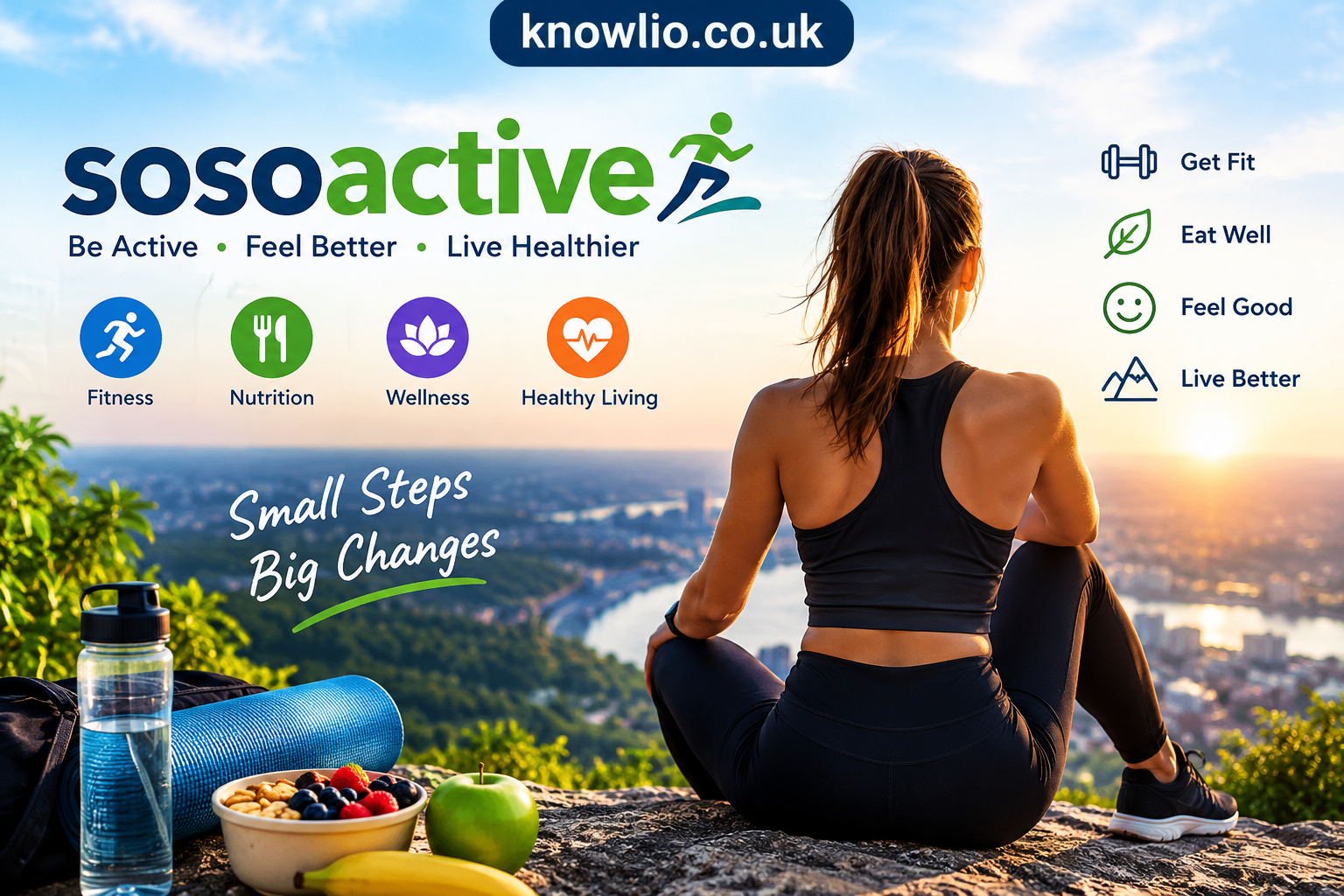
Sosoactive is a keyword that may attract attention from people looking for online entertainment, digital media, trending topics, and lifestyle-related content. When users search for a term like sosoactive, they often want to understand what it refers to, what kind of information they can find, and whether it is worth exploring. However, the exact meaning of a name can depend on the website, service, or online platform associated with it.
In today’s digital world, websites compete for attention by offering accessible content, interesting topics, and convenient ways to discover information. A recognizable name can become a search trend even when people have limited information about its background. This makes it important to approach unfamiliar platforms carefully and distinguish verified details from assumptions.
This article explores the meaning of sosoactive as a search term, why people may look for it, how to evaluate related online content, and what readers should consider before interacting with an unfamiliar website. It also answers common questions to help readers make informed decisions.
Table of Contents
- What Is Sosoactive?
- Why Do People Search for Sosoactive?
- Understanding Sosoactive in the Digital Media Landscape
- Important Features of Online Content Platforms
- Potential Benefits of Exploring Digital Media
- Is Sosoactive Trustworthy?
- Tips for Browsing Online Platforms Safely
- Frequently Asked Questions
- Conclusion
What Is Sosoactive?
The term sosoactive may refer to a website, an online brand, or a name used in digital content. Without a verified official source identifying the specific platform, it would be inaccurate to claim that it has a particular owner, publishing history, audience size, or set of services. Understanding this distinction is important for readers who want reliable information rather than assumptions based on a name alone.
People often discover unfamiliar names through search engines, social media posts, online discussions, and links shared by other users. A name can appear in search results for several reasons, including references in articles, mentions on other websites, or interest in a particular topic. Consequently, searching for sosoactive does not automatically reveal the exact purpose of the source.
The most useful starting point is to identify the specific website or account associated with the keyword. Checking its official description, published material, contact information, and recent activity can help establish what it actually offers. These details provide a more reliable foundation than relying on brief descriptions or unsupported claims found elsewhere online.
Why the Exact Meaning Matters
Online names are not always unique. Different websites, social accounts, and digital projects may use similar names, which can create confusion for people searching for a particular service. Before deciding that a result is the intended destination, readers should confirm the domain name and review the page itself.
It is also important to separate information about a keyword from information about a verified organization. A search result may discuss a name without being connected to the people or business behind it. Looking for consistent identifying details can help prevent misunderstandings.
Why Do People Search for Sosoactive?
People search for sosoactive for different reasons, depending on where they encountered the name. Some may have seen it mentioned in an article, while others may be researching digital publishing platforms or looking for lifestyle and entertainment content. Understanding the motivation behind a search helps readers find information that matches their actual needs.
Another reason people search for unfamiliar websites is curiosity about their credibility and purpose. Before spending time on a platform, users often want to know whether it publishes useful articles, covers subjects they enjoy, or provides information relevant to their interests. These questions are especially important when a website’s name does not clearly describe its subject.
Search interest can also come from digital marketing and publishing activities. Bloggers, website owners, and SEO professionals sometimes research unfamiliar websites to understand their content categories, publishing practices, and relevance to a particular audience. However, the appearance of a keyword in search results does not establish a website’s popularity, authority, or business value.
Search Intent and Reader Expectations
Search intent refers to the reason someone enters a particular phrase into a search engine. With sosoactive, the intent could be informational, navigational, or research-oriented. Someone who wants to visit a particular website has a different goal from someone who wants to understand the name or assess its reliability.
Informational searches usually require clear explanations, background details, and useful answers. Navigational searches require accurate identification of the intended website. Research-oriented searches may involve evaluating a platform’s content, audience, or suitability for a particular purpose.
A helpful article should address these possibilities without assuming that every reader wants the same thing. Providing context and explaining how to verify information makes the search experience more useful and reduces confusion.
Understanding Sosoactive in the Digital Media Landscape
Digital media platforms publish information through websites, blogs, online magazines, and other internet-based channels. Their content may include news, opinion pieces, practical guides, entertainment articles, and lifestyle discussions. The precise subjects depend on the platform’s editorial focus and publishing goals.
The name Sosoactive is associated with multiple websites online, so it is important not to treat every result as the same organization. For example, the website at sosoactive.net describes itself as a digital media platform covering topics such as entertainment, culture, lifestyle, health, and fitness. Another website, soso-active.com, describes a broader focus that includes digital engagement, SEO, business, wellness, and modern culture.
Sosoactive
+1
These descriptions provide a starting point for understanding how the names are used online. They should not automatically be interpreted as independently verified claims about audience size, editorial quality, ownership, or industry reputation. Readers should examine the particular domain they intend to visit and assess its published material directly.
How Digital Publishing Platforms Reach Readers
Online publishers generally rely on several methods to reach an audience. Search engine visibility helps readers discover articles when they ask questions, while social media allows publishers to distribute content to people who follow related topics. Email newsletters and returning visitors can also help build a consistent readership.
The quality of a platform’s content plays an important role in its long-term usefulness. Articles that answer questions clearly, provide appropriate context, and avoid misleading claims are more valuable than pages created solely to attract clicks. Readers benefit when publishers focus on accuracy and relevance instead of publishing large amounts of repetitive material.
Digital publishing also requires regular maintenance. Outdated information, broken pages, unclear authorship, and poorly organized navigation can reduce a website’s usefulness. A professional platform should make it reasonably easy for visitors to understand its subject areas and locate the information they need.
Important Features of Online Content Platforms
When evaluating a website associated with sosoactive, consider its content organization first. Clearly defined categories help visitors understand what a publisher covers and make it easier to find relevant articles. A website discussing several subjects should ideally organize them in a logical and consistent way.
Another useful feature is readability. Articles should have descriptive headings, short paragraphs, and explanations that suit the intended audience. Good formatting does not guarantee accuracy, but it makes reliable information easier to understand and use.
Navigation and accessibility also influence the overall experience. Pages should work properly on desktop computers and mobile devices, links should lead to the expected destinations, and important information should not be hidden behind confusing menus. A straightforward layout can help visitors explore content without unnecessary effort.
Content Quality and Editorial Standards
Content quality is more than the number of articles a website publishes. A useful article answers its central question, provides relevant details, and makes clear distinctions between established facts and personal opinions. These qualities help readers assess the information rather than simply accept every statement they encounter.
Author information and references can provide additional context, particularly for technical, financial, health, or other subjects where accuracy matters. Readers should look for credible supporting evidence when an article makes important claims. A professional appearance alone is not proof that a publisher has verified its content.
Consistency is another important consideration. A website that corrects mistakes, updates outdated information, and explains its editorial approach gives readers more reasons to take its material seriously. These standards are useful when evaluating any online publisher, including websites using the Sosoactive name.
Potential Benefits of Exploring Digital Media
Exploring digital media websites can help readers discover information across a wide range of interests. Depending on a platform’s actual content, visitors may find explanations of digital trends, discussions of modern culture, practical lifestyle guidance, or introductory articles about business and technology. The value comes from finding relevant information and using it thoughtfully.
A well-organized publisher can also make learning more convenient. Instead of searching separately for every related question, readers may be able to explore several connected topics within the same website. This can be particularly helpful when articles build on one another and explain unfamiliar concepts in accessible language.
Digital media can encourage readers to explore different perspectives, too. Comparing articles from multiple publishers may reveal useful context or highlight disagreements about a topic. The key is to evaluate the evidence and recognize that not every published opinion carries the same weight.
Benefits for Bloggers and Digital Marketers
For bloggers and digital marketers, researching a website can help identify its subject areas and potential audience. Understanding what a publisher covers is an important first step when evaluating whether its content is relevant to a particular project. Relevance is generally more useful than choosing a website based only on its name.
Website owners researching publishing opportunities should also examine the quality and originality of the material. A platform with clear editorial standards and an audience interested in the proposed subject may be more suitable than a website that publishes unrelated articles. Any collaboration should offer genuine value to readers.
However, marketers should avoid assuming that a website provides strong SEO benefits simply because it accepts guest articles or mentions digital marketing. Domain metrics, estimated traffic, and promotional claims need careful interpretation. The quality of the audience, relevance of the content, and transparency of the publishing arrangement all deserve attention.
Is Sosoactive Trustworthy?
Trustworthiness depends on the specific website being evaluated, not simply on the name Sosoactive. Because multiple domains use similar branding, the first step is to identify the exact site and confirm that its content matches the information the reader is seeking.
A useful assessment starts with basic transparency. Look for an accessible About page, valid contact details, clear editorial information, and a privacy policy where appropriate. These elements can help readers understand who operates the website and how it handles visitors’ information, although their presence alone does not guarantee that every claim is accurate.
Readers should also evaluate the articles themselves. Check whether factual claims are supported by credible evidence, whether dates are clear, and whether health or financial advice is appropriately qualified. When an article makes a significant claim, comparing it with independent and authoritative sources is a sensible precaution.
Warning Signs to Watch For
Be cautious if a website makes extraordinary promises without evidence, hides essential information, or repeatedly publishes claims that cannot be independently verified. Misleading headlines, excessive pop-ups, and pressure to provide personal details can also indicate a poor browsing experience.
Security matters as well. A secure HTTPS connection helps protect data transmitted between a browser and a website, but it does not establish that the publisher is honest or that its content is accurate. Avoid downloading unfamiliar files or entering sensitive information unless you have a clear reason to trust the destination.
Ultimately, trust should be based on evidence rather than appearance. A reader can use the checks above to make a more informed judgment about a particular Sosoactive website without making unsupported claims about the entire name or every platform associated with it.
Tips for Browsing Online Platforms Safely
Safe browsing begins with checking the website address carefully. Similar domain names can lead to different services, so confirm the spelling before opening an account, downloading anything, or sharing personal information. If you arrive through a social media post or an unexpected message, consider navigating to the intended domain directly.
It is also wise to limit the information you share. Reading an article generally does not require providing sensitive personal details. If a site requests information, consider whether the request is necessary and review its privacy policy before proceeding.
Finally, keep your browser and operating system updated, use reputable security tools, and avoid reusing passwords across websites. These everyday practices reduce common online risks and are useful regardless of whether you are visiting a media publisher, an online store, or a discussion forum.
How to Evaluate Information You Find
Start by identifying the article’s main claim and checking whether it provides evidence to support that claim. For news and current events, compare reporting from established independent sources. For specialized topics, prioritize relevant professional organizations, official documentation, and qualified experts.
Pay attention to publication dates, particularly when information may change over time. An older article can still explain a general concept accurately, but details about services, policies, prices, or current events may no longer be correct.
Most importantly, separate useful information from persuasive language. A confident tone, polished design, or popular-looking headline should not replace evidence. Readers who consistently check sources are better equipped to make decisions based on reliable information.
Frequently Asked Questions
1. What is Sosoactive?
Sosoactive is a name used by multiple websites online. Some describe themselves as digital media publishers covering subjects such as lifestyle, culture, health, fitness, digital engagement, and business. The exact purpose depends on the particular website being discussed.
2. What kind of content does Sosoactive publish?
The content varies by domain. For example, sosoactive.net presents articles about lifestyle, culture, health, fitness, and related subjects, while soso-active.com describes coverage of digital trends, SEO, business, wellness, and modern culture. Readers should check the specific website for its current categories.
3. Is Sosoactive a legitimate website?
Legitimacy cannot be determined from the name alone. Check the exact domain, contact information, privacy policy, content quality, and supporting evidence. These checks can help you assess a particular website, but they do not guarantee that every page or claim is trustworthy.
4. Is Sosoactive useful for digital marketing research?
It may be useful as a subject of research if the particular website publishes content relevant to your goals. Bloggers and SEO professionals should examine its editorial standards, topic relevance, audience quality, and publishing practices before considering a collaboration. Do not assume that a website offers valuable backlinks or measurable traffic without supporting evidence.
5. How can I find the correct Sosoactive website?
Search for the exact name alongside the topic you are interested in, then review the domain shown in the results. You can compare the site’s About page, contact information, and published content to identify the intended destination. Similar names do not necessarily represent the same organization.
Conclusion
Sosoactive is a useful keyword to explore when researching digital media, online publishing, and websites using this name. However, multiple websites have similar branding, so understanding the exact domain is essential before drawing conclusions about its purpose, reputation, or services.
Readers can evaluate a Sosoactive website by examining its content, checking its transparency, verifying important claims, and following sensible online safety practices. Bloggers and digital marketers should additionally consider audience relevance and publishing quality rather than relying on unsupported SEO claims.
The main takeaway is simple: understand the specific website, verify the information it provides, and judge its value based on evidence. This approach helps readers make informed decisions and get more value from their online research.






Leave a Reply